
Backrooms (2026): Great Atmosphere, Forgettable Film
The internet's most iconic liminal horror phenomenon finally arrives on the big screen, but does Backrooms (2026) live up to the endless hype? From the real 2002 Wisconsin photograph that inspired a global creepypasta to the terrifying lore of infinite levels and mysterious entities, this review breaks down what worked and what didn't. While the visuals and atmosphere successfully capture the unsettling feeling of the Backrooms, the rushed pacing, lack of lore, forgettable characters, and confusing story leave plenty to be desired. Here's my honest review of a movie that feels strangely empty—for better and for worse.
CONSPIRACYCONSPIRACY THEORIESMOVIE REVIEWMOVIESTRENDING
6/20/20263 min read
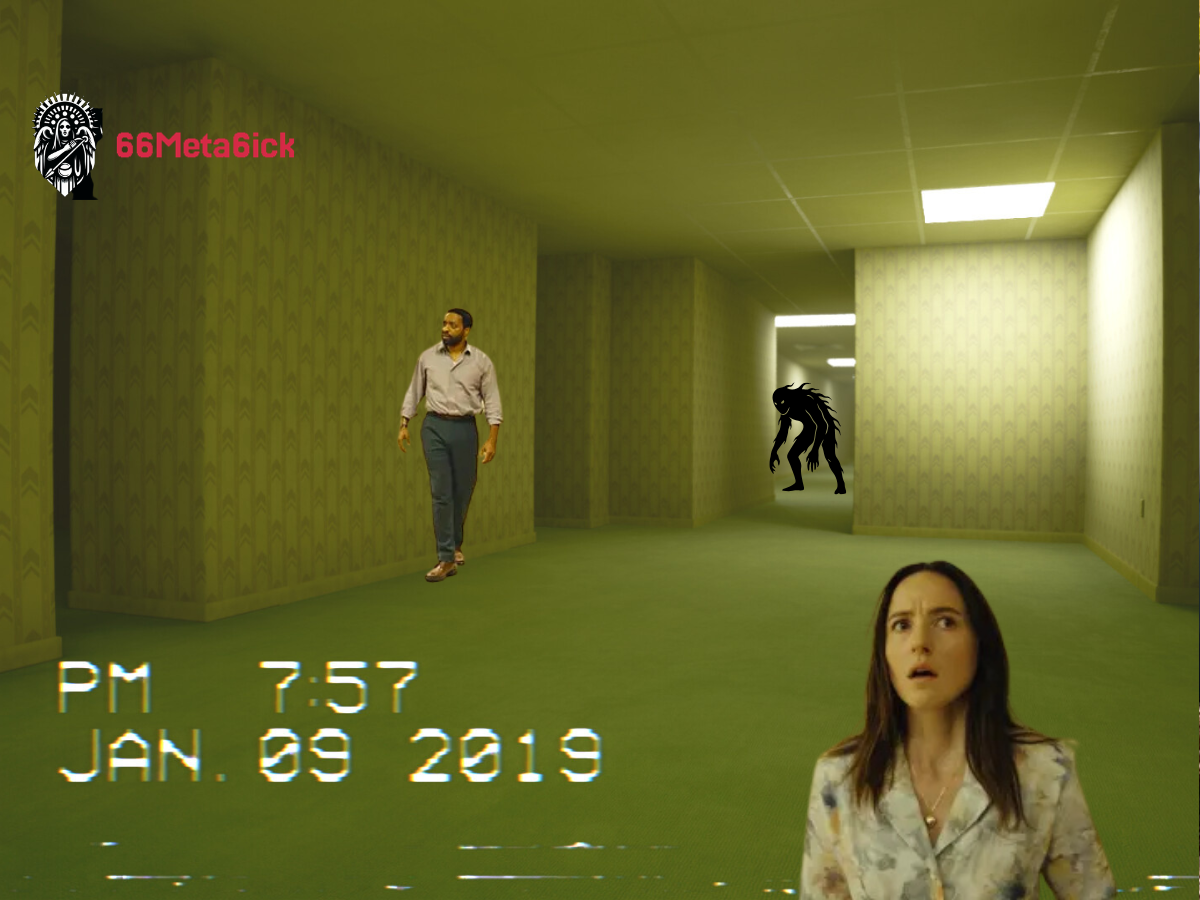
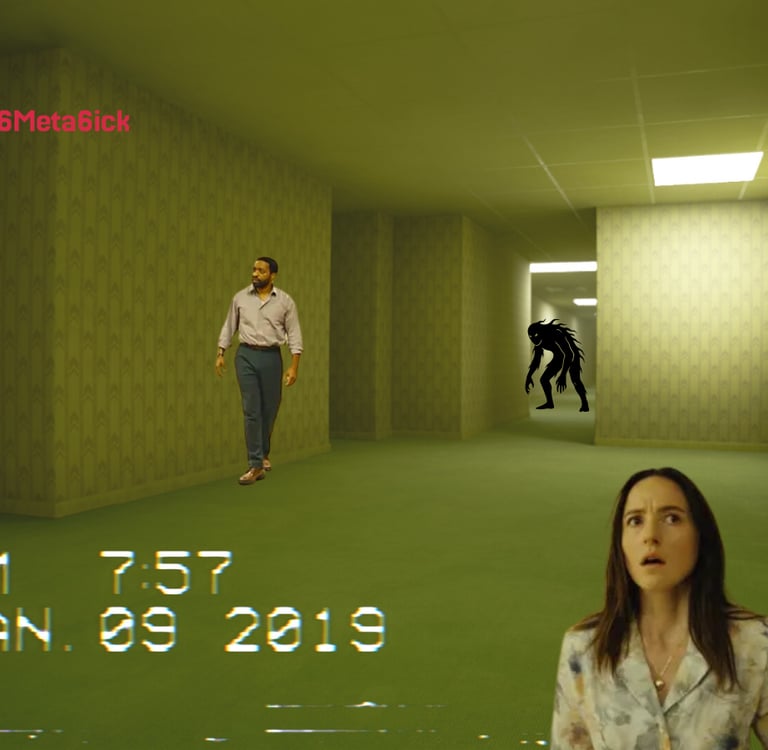
Backrooms (2026) Review – An Empty Hallway With No Destination (Spoiler)
Rating: 4.5/10
The Backrooms has existed as one of the internet's most recognizable horror concepts for years. A single 2002 photograph of an empty yellow office space evolved into a massive online universe filled with endless liminal spaces, terrifying entities, and thousands of fan theories. Naturally, expectations for a movie adaptation were incredibly high.
Unfortunately, the 2026 film feels like it accidentally no-clipped into the credits before it remembered to tell a story.
Before diving into the review, it's worth remembering where all of this started. The original image wasn't CGI or AI-generated. It was a real photograph taken on June 12, 2002, inside the former Roner's Home Furnishings building in Oshkosh, Wisconsin, during renovations. The unsettling yellow tint that fueled countless nightmares was simply the result of an incorrect white balance under fluorescent lighting.
From that single image, an entire mythology was born.
Infinite yellow hallways.
Buzzing lights.
Wet carpet.
No exit.
Levels like the industrial nightmare of Level 1, the scorching maintenance tunnels of Level 2, and the infamous "Run For Your Life!" corridor became staples of internet horror. Creatures such as Hounds, Smilers, and Skin-Stealers transformed empty rooms into places where silence itself felt dangerous.
The movie barely touches any of it.
Instead, we're introduced to Clark, who owns a furniture store, alongside several forgettable supporting characters. Our main protagonist is a miserable store employee dealing with alcoholism, a divorce, and depression, who eventually begins therapy with Becky.
Then he casually discovers a hidden door.
He walks into the Backrooms.
Gets scared.
And somehow finds the exit on his first attempt.
That moment immediately removes most of the tension. The Backrooms are supposed to feel impossible—an endless maze that slowly erodes sanity—but here they're treated like a confusing hallway that anyone can stumble through.
Instead of building mystery or exploring the lore, the film rushes forward at full speed. Becky doesn't believe him, so he returns with a cameraman and another coworker. Nobody asks many questions. Nobody researches what they're seeing. They simply walk back into infinite reality with almost no hesitation.
Characters die so quickly that there's barely time to care about them. The deaths happen, the group keeps moving, and the movie never slows down enough to let the horror breathe.
Even the creatures feel underused. Becky eventually encounters a CGI monster, defeats it, gets questioned afterward, and...
That's it.
The screen fades to black.
No explanation.
No meaningful payoff.
No deeper understanding of what the Backrooms actually are.
Visually, the film deserves credit. The lighting, empty architecture, editing, sound design, and camera work successfully recreate the uncomfortable feeling that made the original image famous. Several scenes genuinely capture that liminal-space anxiety where every hallway feels familiar but fundamentally wrong.
But atmosphere alone can't carry an entire movie.
The biggest disappointment isn't that the film is bad—it's that it never embraces the incredible mythology already built by millions of fans. The endless levels, mysterious entities, survival rules, and psychological terror are reduced to quick scares and rushed pacing.
Instead of feeling trapped in an infinite nightmare, I felt like I was speedrunning a haunted furniture store.
It's not terrible.
It's watchable.
But once the credits rolled, it already felt like a movie I'd forgotten existed.
Rating: 4.5/10
As someone who loves the Backrooms lore, I was honestly disappointed. The movie has decent visuals, creepy lighting, and successfully captures the unsettling liminal-space atmosphere, but that's where most of the praise ends.
The story follows Clark, who runs a furniture store, along with two forgettable characters—a pill-popping cameraman and another coworker nicknamed Ling Ling. The main protagonist is a miserable Black store employee dealing with a dead-end job, alcoholism, and a recent divorce. After starting therapy with Becky, he discovers a hidden door and casually walks into the Backrooms.
Somehow, he finds the exit on his first try.
He tells Becky, who doesn't believe him, so he returns with the cameraman and Ling Ling. Without asking many questions, they all enter the Backrooms, but the movie never slows down to explain the lore or build any real suspense. Instead, the characters die quickly, Becky fights a CGI monster, gets questioned afterward, and then...
The movie just ends.
No real answers. No payoff. No exploration of the endless mythology that made the Backrooms famous in the first place.
It's not a terrible movie, but it's incredibly forgettable. The atmosphere is solid, yet the rushed pacing, lack of lore, weak character development, and confusing ending make it feel like a missed opportunity.
Final Score: 4.5/10 – Great concept, decent visuals, but an empty story trapped inside an endless hallway...
Despair
A dark exploration of societal decay and despair.
Void
+1234567890
© 2025. All rights reserved.
Any comments, business inquiries, ideas, or stories, let us know