
Behind the Ice: The Story of Tonya Harding and The Price She Paid
Tonya Harding’s story is far more than a figure skating scandal—it’s a brutal case study in classism, media exploitation, and public punishment. From an abusive upbringing and historic athletic achievements to the 1994 Nancy Kerrigan attack and lifelong ban from skating, Harding became America’s most convenient villain. This article explores the myth versus reality behind the headlines, the money made off her downfall, and where she is today—working quietly, living modestly, and surviving a system that never wanted her to win. Not a redemption story. A survival one.
GRIM REALITYSINS OF THE FLESHFAITHHOPE
2/11/20264 min read
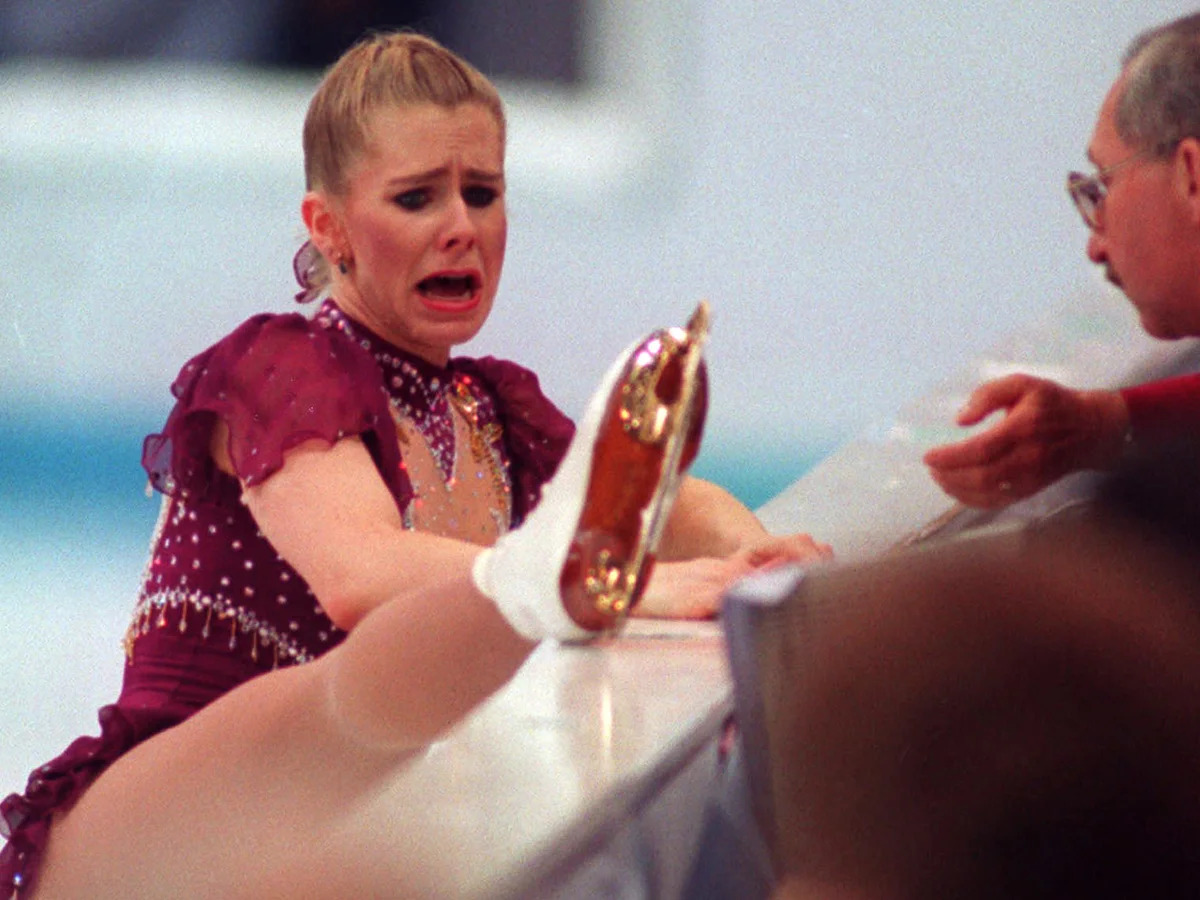
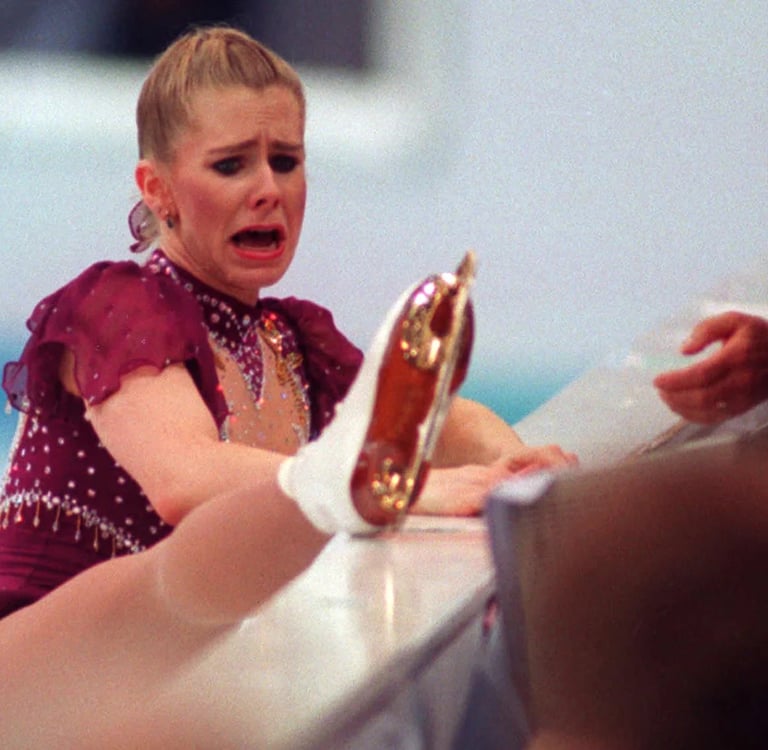
The Infamous Figure Skater: A Journey Through Struggle
Tonya Harding's narrative is often distilled to a scandal associated with figure skating, overshadowing the complexities of her life. Born in Portland, Oregon, Harding faced a challenging upbringing marred by domestic abuse. Her early experiences set the stage for a turbulent life, defined by fierce ambition and an undeniable talent that brought her into the spotlight. Despite the struggles, she achieved remarkable milestones as a competitor, becoming the first American woman to complete a triple axel in competition.
Tonya Harding: America’s Favorite Villain Was Built, Not Born
Tonya Harding didn’t just grow up poor—she grew up disposable.
Long before the knee strike that would define her public legacy, Harding was raised in a world where survival mattered more than grace. Born in Portland, Oregon, she was pushed onto the ice at age three by a mother who believed discipline was love and cruelty was motivation. Her childhood was marked by emotional abuse, physical punishment, and relentless pressure. There were no warm Olympic dreams here—only grit, fear, and the constant reminder that failure wasn’t an option.
Figure skating, a sport built on polish, wealth, and quiet obedience, was never meant for someone like Tonya Harding. She sewed her own costumes. Practiced on broken ice. Showed up bruised, loud, and unapologetically unrefined. And yet, she did the unthinkable—becoming the first American woman to land a clean triple axel in competition. That alone should have secured her place in history.
Instead, it made her dangerous.
Harding didn’t fit the image the sport wanted to sell. She wasn’t soft-spoken. She wasn’t wealthy. She didn’t come with a polished family narrative. In a world that rewarded delicacy over power, Harding’s athletic dominance felt threatening. Judges penalized her presentation. Commentators mocked her. The media framed her as trash invading a pristine space.
Then came 1994.
The attack on Nancy Kerrigan’s knee was brutal, criminal, and indefensible. The truth, however, was never as clean as the headlines made it. Harding’s ex-husband, Jeff Gillooly, and his associates orchestrated the assault. Harding’s level of prior knowledge remains debated—but what’s undeniable is how fast America decided she was guilty of everything. Not just the crime, but the audacity of existing outside the approved mold.
Before trials concluded, before facts settled, Tonya Harding was already convicted in the court of public opinion.
The punishment was absolute. She was banned from competitive figure skating for life. Sponsorships vanished. Legal fees devoured her finances. Even though Harding reportedly earned around $600,000 from an Inside Edition deal during the scandal, most of that money was lost under legal pressure and due to missed opportunities. The sport moved on. The media cashed out.
Harding became a cultural scapegoat—an outlet for classism disguised as morality.
Years later, I, Tonya (2017) reintroduced her story to a new generation. The film grossed over $53 million worldwide, earned critical praise, and revived public debate. Harding herself reportedly received around $1,500 for her life rights. The irony was grotesque: her trauma rebranded as entertainment, her pain monetized once again—this time without her at the center.
Yet Harding endured.
She boxed professionally. Appeared on reality television. Finished third on Dancing with the Stars in 2018. Competed on Worst Cooks in America. These weren’t redemption arcs—they were survival tactics. Ways to stay visible in a culture that had already written her off.
The media often freezes Tonya Harding in 1994, as if her life simply stopped after the scandal. It didn’t. What followed was quieter, messier, and far less cinematic—but arguably more revealing.
In 2000, Harding was arrested for domestic assault following an altercation with her then-boyfriend. She admitted to punching him and throwing a hubcap at his head. The incident resulted in three days in jail. It was ugly, undeniable, and uncomfortable—especially for those eager to reshape Harding into a clean redemption narrative. This wasn’t a misunderstood moment or a media distortion. It was violence, plain and simple.
Two years later, in 2002, Harding was arrested for driving under the influence after crashing her pickup truck into a ditch. Because she had consumed alcohol while on probation, she was sentenced to 10 days in jail for the violation. No headlines. No national outrage. Just another chapter in a life still unraveling long after public interest had cooled.
Today, Tonya Harding lives quietly. She works as a custodian, cleaning two restaurants, five to six days a week. And here’s the part that never makes the headlines: she’s said she likes the job. Her coworkers treat her with respect. No judges. No cameras dissecting her posture. Just work—and dignity.
She maintains a modest presence on social media, occasionally interacting with fans. She’s reportedly involved in a new mini-documentary project, this time with compensation. Not vindication. Not absolution. Just a voice.
Harding’s story isn’t about innocence or guilt—it’s about how thoroughly a system can destroy someone once they’re labeled disposable. She didn’t get a heroic comeback. She didn’t get forgiveness. What she got was endurance and then peace. Now married with kids, she is focused on greener pastures.
America didn’t just punish Tonya Harding for a crime—it punished her for being loud, poor, unpolished, and female in a sport that demanded silence and submission.
And that’s the part worth remembering.
Nancy Kerrigan Attack - Raw Footage - January 6, 1994
Tonya Harding's First Triple Axel- The 1991 U.S. Nationals Figure Skating Championships
Tonya Harding (USA) - 1994 Lillehammer, Figure Skating, Ladies' Free Skate
$UICIDEBOY$ , “If self-destruction was an Olympic event, I’d be Tonya Harding,”
$UICIDEBOY$’s line “If self-destruction was an Olympic event, I’d be Tonya Harding” —and yeah, the song slaps—but it’s worth pausing on what that line actually means. Harding’s name has become shorthand for collapse, failure, and public ruin, stripped of context and flattened into a bar. It’s catchy, but it also shows how easily real trauma gets recycled into aesthetics. The beat bangs. The metaphor lingers. The person behind it gets erased.
Disclaimer:
Some details in this article have been exaggerated or stylized for dramatic and horror-focused purposes, which may include sarcasm and humor for storytelling purposes. This piece is intended strictly for entertainment within the dark, horror-true-crime genre and is NOT meant to mock, disrespect, or diminish the real tragedy of anyone's situation or circumstances. Our deepest condolences remain with the victim's family, friends, and loved ones.
Despair
A dark exploration of societal decay and despair.
Void
+1234567890
© 2025. All rights reserved.
Any comments, business inquiries, ideas, or stories, let us know