
Maggots and Lovers: The Butchery of Robert Beckowitz
Detroit, July 1982. The air was thick with dope smoke and death. Inside a dingy basement apartment in the LaSalle neighborhood, a man named Robert Beckowitz sat on his couch watching The Benny Hill Show. His mustache was thick, his stomach swollen from cheap beer and Midwestern inertia. He had no clue that his two closest companions—James Glover, his roommate and friend, and Jeannine Clark, Glover’s girlfriend—had transformed from fellow degenerates into executioners. All it took was one bullet to the back of the head, and Robert Beckowitz was no longer watching TV. He was dead, and about to become a prop in one of the most sickening acts of mutilation ever documented in the American Midwest. This wasn’t a crime of passion. This was a performance.
DISTURBING CASESGRIM REALITYOUR DREADFUL WORLDSINS OF THE FLESHNSFW
9/16/20255 min read
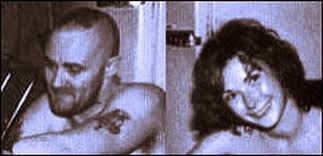
The Murder of Robert Beckowitz: Flesh, Photos & the Filth of Human Lust
In the sweltering summer of July 1982, a gloomy tale unfolds in the Lasalle neighborhood of Detroit, where the air was saturated with a toxic mix of dope smoke and an impending sense of doom. This tragic narrative chronicles the demise of Robert Beckowitz, a man engulfed in the specters of his lifestyle. Unbeknownst to him, the mundane activities of television watching would soon give way to an event that would lead to his brutal end.
The Setting: A Basement of Betrayal
The small confines of Beckowitz's dingy basement apartment serve as a poignant backdrop for the sinister events that transpired. As he sat comfortably on his couch, absorbed in the antics of the Benny Hill Show, his two closest companions—James Glover and Glover's girlfriend, Jeannine Clark—harbored dark intentions. Their transition from mere acquaintances to executioners paints a chilling picture of betrayal, fueled by desperation and the relentless grip of addiction.
Let’s get one thing straight: all three people in this nightmare were junkies. Dope had melted their brains, erased inhibition, and turned their apartment into a psychedelic mausoleum. Glover and Clark were in a twisted relationship—one built on addiction, paranoia, and a taste for things most people can’t even imagine without vomiting. The FBI would later call the crime scene one of the most bizarre, grotesque, and unrepentantly evil they’d ever witnessed.
According to testimony, the trio was “hanging out,” drinking, snorting meth, and shooting heroin. Jeannine, high and giggling, had apparently begun flirting with Robert. Maybe it was a real pass. Maybe it was part of the plan. But either way, it was enough to send Glover into a jealous, drug-induced spiral.
He left the room, came back with a .45 caliber pistol, and pulled the trigger.
Robert’s head snapped forward. Blood splattered across the television screen, a red smear over British comedy. There was no fight, no struggle. Just an explosion, and silence. But the silence didn’t last.
The Act of Violence: A Single Bullet
It becomes evident that the dynamics of their relationships had soured, leading to an unfathomable decision. In one irreversible moment, a single bullet shattered the tranquility of the apartment, forever altering the lives of those involved. Robert Beckowitz's execution was not simply an act of violence; it was the culmination of a series of choices rooted in a lifestyle fraught with peril. His death plunged the characters into a void that would forever mark their existence.
What came next defies morality, logic, and human comprehension. For three days, Glover and Clark kept Beckowitz’s body in the apartment. Not out of fear. Not out of shock. But because they wanted it there.
They wanted to pose with it.
They wanted to cut it apart.
And they wanted to fuck each other in front of it. Sometimes on top of it.
Clark, by her own confession, helped Glover dismember Robert with a hacksaw. The blood was sticky and dark, thick like syrup. They cut off his arms and legs. They mutilated his genitals. They slit open his abdomen and took Polaroids—hundreds of them.
In some photos, Glover is smiling with the hacksaw.
In others, Clark is straddling Robert’s half-torso, kissing his severed lips.
She’s naked in some shots, laughing.
In one image, she holds up his severed arm, like a trophy. Her eyes are wide. Her pupils blown like gun barrels.
This wasn’t just murder. This was a love story—a bonding ritual sealed in blood and rigor mortis.
They didn’t eat him. Not quite. But their carnality—the heat between them—seemed only to increase as the body rotted. There were reports of oral sex being performed next to the corpse, and even ejaculation directly onto the remains. Clark claimed that Glover penetrated her anally while she held Robert’s decapitated head in her hands.
And yes, it smelled. By day two, Robert’s body was bloating, releasing gases and black fluid. But Clark and Glover were so fucked on drugs, they didn’t care. The smell was part of the atmosphere. It was like incense in a perverted temple of lust and decomposition.
The aftermath of this chilling act marks a grave transition as the narrative veers into exploration of themes such as loyalty, betrayal, and the consequences of a life lived on the edge. The companionship that burgeoned in the atmosphere of drugs and apathy devolved into a harrowing reality where the stakes became fatally high. Robert Beckowitz's life, once a series of trivialities overshadowed by substance abuse, now finds a morbid legacy intertwined with his gruesome end.
The Fall: A Junkie’s Confession
Jeannine eventually cracked. Probably not from guilt—just withdrawal. She went to the cops and confessed everything, bringing with her 43 photographs that showed the horror in perfect, saturated 1980s color.
Investigators walked into the apartment and vomited. Blood was still soaked into the carpet. Beckowitz’s remains were scattered around like garbage bags after a tornado. There were bones in the bathtub. The couch was stained black. The hacksaw, dull from overuse, was left resting beside the fridge.
No remorse.
No shame.
Just pure depravity etched in Polaroid ink.
The Sentencing: Injustice Wrapped in Decay
You’d think a crime like this would bring life sentences. Or execution. But this is America, and America loves a loophole.
James Glover got 30–50 years for second-degree murder, 2 years for the gun, and 6–10 years for mutilation of a dead body.
But Jeannine Clark, who posed, smiled, sawed, and possibly participated sexually with a corpse?
She got 6–10 years. That’s it.
She served only part of that before vanishing into obscurity.
Maybe she changed her name.
Maybe she died in some trailer, toothless and twitching.
Or maybe she still holds onto one or two Polaroids, yellowed with age, hidden in a shoebox under her bed.
Legacy: The Pictures Still Exist
You can find them if you search hard enough.
Dark corners of the internet. Forums. Shock sites.
The Beckowitz Polaroids are traded like baseball cards in digital dungeons.
Most are blurred or censored now, but you can see enough.
You can see her grin.
You can see him holding the saw.
You can see Robert—what’s left of him—turned into a toy for psychosexual theater.
And the question remains:
What causes this?
Drugs alone don’t explain it.
Jealousy doesn’t explain it.
This is something deeper. A rip in the human fabric. A worm in the skull. A sickness that goes beyond crime and into ritualistic rot.
The Legacy of Violence
As the dust settles over the scene of the crime, one cannot help but ponder the implications of such an act. The individuals involved were, in many ways, products of their environment—shaped by the very same vices that led to the butchery of a friend. This dark chapter becomes a reflection of the underlying currents in society, where despair, addiction, and moral vacuity create a breeding ground for tragedy.
Ultimately, the tale of Robert Beckowitz serves as a stark reminder of the fragility of life amidst chaos. The death of an individual within such a corrosive atmosphere is not merely an isolated incident; it resonates with broader themes of human vulnerability and the relentless pursuit of belonging, often leading to dire consequences.
In arts, literature, and even music, stories like that of Beckowitz frequently emerge, shedding light on the harsh realities faced by many. As we analyze this tale of maggots and lovers, we recognize the layers of human complexity that intertwine with love, betrayal, and the ultimate cost of life on the fringes. The echoes of his demise will remain etched in the memories of those who crossed his path, forever altering the landscape of their lives.
This wasn’t just a murder. It was a celebration of death.
A perverted honeymoon built on cold flesh and necrotic fluid.
A junkie romance written in gore, photographed in stages of mutilation.
Robert Beckowitz never asked for this.
He didn’t know his friends were devils.
He died on his couch, mid-laugh, while the TV flashed slapstick and canned laughter.
But behind him, two people were already plotting to turn him into art.
Rotten art.
Pornographic art.
Art that bleeds.
⚠️ Graphic Image Warning
This article describes real crime scene photos involving dismemberment and corpse desecration. Images are not shown, but content may be disturbing. Discretion is advised.
Despair
A dark exploration of societal decay and despair.
Void
+1234567890
© 2025. All rights reserved.
Any comments, business inquiries, ideas, or stories, let us know