
Tragedy in Kyiv: The Heartbreaking Story of Vika and Vova
Vika, 17, and Vova, 18, two foster siblings in Kyiv, chose a shared, fatal escape from a world that rejected their love. Bound by drugs, desire, and desperation, they documented their last moments in chilling clarity. On the 24th-floor balcony, hand in hand, they leapt into a void that swallowed both body and innocence. Their story, grim and unflinching, exposes societal rejection, youth vulnerability, and the darkest corners of human despair. In their final act, the collision of love, addiction, and fatality was captured in brutal, unfiltered horror—a narrative of agony and beauty, intertwined in death.
DISTURBING CASESGRIM REALITYCONSPIRACY THEORIESSINS OF THE FLESHNSFWOUR DREADFUL WORLDNO HOPE
9/15/202510 min read
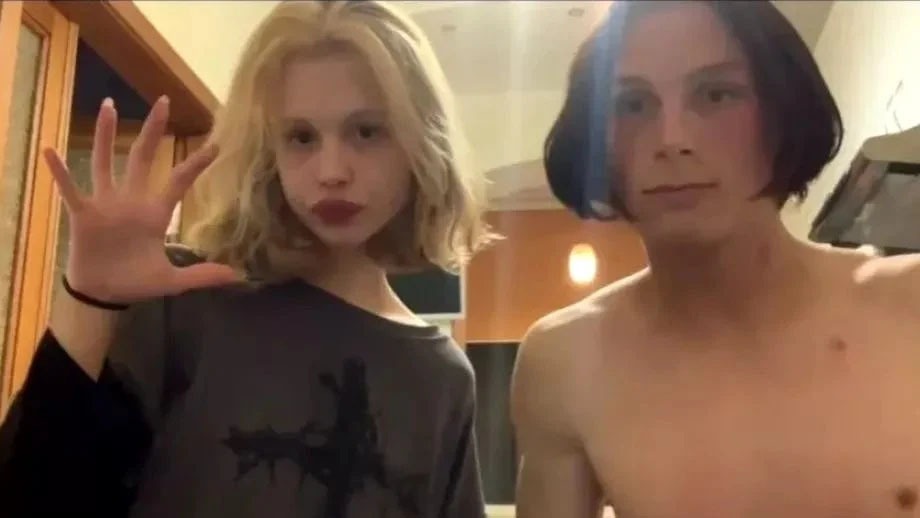

Lives Behind Bars and A Fragmented Future
In October 2023, the city of Kyiv bore witness to a tragedy that has reverberated through the community, marking a sorrowful chapter in its history. The heartbreaking narrative of Vika and Vova, two siblings whose lives were entwined by the complexities of their environment and relationships, has shocked not only their loved ones but the broader society as well. Their untimely deaths have thrown a harsh spotlight on the harsh realities faced by the youth today, as issues like addiction and the yearning for acceptance become all too prevalent.
Vika and Vova were teenagers with hopes and dreams, poised to experience the beauty of youth. However, societal constraints loomed heavily over their lives, casting a long shadow on their otherwise promising futures. The siblings had the same aspirations as any young person: they wanted to excel in school, pave their own paths, and bask in the warm glow of freedom that comes with adulthood. Unfortunately, the tumultuous environment they inhabited, compounded by the allure of drugs, spiraled them into despair.
The Balcony of Shadows: Vika and Vova’s Final Embrace
The story of Vika and Vova is not just one of love but also one of loss — a poignant reminder of the dire consequences of a world that often neglects its most vulnerable. Their tragic end was documented in detail, exposing the raw horror of their last moments. This brutal narrative has struck a nerve in the collective consciousness, serving as a chilling reminder of how quickly life can change course. It is crucial to acknowledge not just the tragedy that unfolded, but also the factors that contributed to their heartbreaking decision.
As we reflect on the events leading to October 2023, it becomes evident that the siblings faced insurmountable challenges that many fail to comprehend. The societal pressures, addiction struggles, and the desperate need for connection became an unbearable burden for them. The haunting truth remains: their story is a stark reminder that behind every tragedy lies a series of choices and consequences that ripple through families and communities.
In the heart of Kyiv, the Levoberezhnaya skyline loomed like a fortress of steel and stone, indifferent to the human dramas unfolding beneath its shadow. On a cold October evening in 2023, Vika, seventeen, and Vova, eighteen, stood on the balcony of a twenty-fourth-floor apartment, hands locked, hearts pounding in unison with a rhythm of desperation and dread. They were foster siblings, lovers, and outcasts, caught in a society that refused to accept their bond. Their final plan had been meticulously orchestrated—an exit from a world they believed could never embrace them.
The apartment reeked of sweat, smoke, and crushed pills. Empty bottles and blister packs littered the floor, reflecting the dim light in a chaotic mosaic of human frailty. Their bodies trembled from a cocktail of drugs—stimulants, hallucinogens, and alcohol—leaving them jittery, euphoric, and unhinged. Vika’s hair clung to her sweat-slicked face as she spoke to the camera, the microphone capturing the quiver of her voice: “The two of us… hugging, spending time together. I’m actually happy that this is happening, that I’m with Vova, and not with somebody else.” Every syllable was a mixture of love, terror, and finality.
They had filmed the entire night, each frame a testament to obsession, devotion, and decay. They wandered through the apartment, caressing furniture that now bore the smell of human sorrow, laughing at times, whispering confessions and declarations of love, the camera watching, recording, immortalizing. Vova held her hand tight as they prepared for the leap. The drugs made the world shimmer, turning lights into halos, sounds into distorted echoes, as if reality itself had dissolved into a hallucinatory prelude to their deaths.
The balcony wind tore at their clothes, ripping at Vika’s hair and whistling like a banshee. Her knuckles were white, gripping Vova’s hand so tightly that the skin began to tear. The city below seemed impossibly distant, the streets a lattice of concrete veins waiting to receive them.
Then, in a moment of terrifying serenity, they let go.
The fall was a symphony of horror. Air rushed past like a razor, tearing lungs with each inhale. Skin flayed against the merciless wind, hair whipping violently. The first impact with the concrete was sickening—a wet, snapping thud that seemed to echo up the building. Bones shattered with a sound like cracking timber; skulls collapsed, releasing a dull, squelching resonance that made bystanders gag. Limbs twisted grotesquely, elbows and knees bending in impossible directions. Blood sprayed across the cracked pavement, pooling rapidly in dark, sticky lakes that reflected the night sky.
The second body hit moments later, colliding with a twisted, broken form. The sound was a horrifying, wet slap, punctuated by the cracking of ribs and the splintering of vertebrae. Internal organs ruptured, spilling into the widening pool of gore. Onlookers froze, horrified, some vomiting at the visceral spectacle. The balcony railing bore streaks of blood and skin where they had clung, and shards of flesh and clothing fluttered briefly in the wind before settling onto the street below.
The camera they had left behind captured everything—the trembling of their fingers, the look of ecstatic terror in their eyes, the final moment when they tumbled over the edge. The footage was raw, unflinching, and unrelenting, showing both the intimacy and the monstrosity of their final act.
Neighbors screamed, phones recording the scene, some too terrified to move. Emergency crews arrived to chaos—the floor beneath the balcony slick with gore, broken shards of bone, and blood-soaked tiles. First responders described it as a scene from a war zone: faces unrecognizable, heads caved in, limbs mangled, and blood pooling in patterns that seemed almost ritualistic. They struggled to collect remains while keeping the public back, the smell of iron and burnt fear thick in the air.
Rumors about the couple spread quickly. Friends whispered about drugs, obsession, and a love so taboo it had twisted into horror. One sister, straining to maintain a veneer of morality over grief, said: “They weren’t moral. Let’s not talk about this now. I’ll explain everything later, but they weren’t moral.” Morality seemed irrelevant—what mattered was the stark, unbearable reality of death and blood, the finality of a choice made in secret, meticulously planned, and executed with grim precision.
The aftermath left an indelible scar on Kyiv. Social media was awash with grainy, raw footage, police reports, and eyewitness accounts. The apartment smelled permanently of smoke, sweat, and decay; the balcony rail bore faint stains that refused to wash away. Residents described nightmares and phantom screams echoing through the stairwells. The city would remember the fall of Vika and Vova, their love cemented not in joy but in horror, a grotesque monument visible to anyone daring enough to look down.
Even after the police investigation concluded, questions lingered: How could two young lives descend so completely into despair? How could love, drugs, and societal rejection combine to create a moment so utterly horrifying? For those who witnessed it—directly or through video—the memory of the wet, sickening thud, the smell of iron, the pools of blood, and the twisted forms of Vika and Vova would haunt long after the night ended.
This story is a reminder that horror is not always fiction. Sometimes it exists in the spaces between society’s expectations, human desire, and desperation—a balcony twenty-four floors above the street, where love, obsession, and fear collide with gravity, leaving behind nothing but broken bodies, blood, and the echo of final screams.
Lives Behind Bars of Circumstance
Vika, 17, and Vova, 18, were foster siblings in a family of ten children from Berezan, a town in Ukraine. Despite the chaos of their household, Vika was a diligent student in the 11th grade, preparing for university and even saving money for her education. Vova, older and protective, shared a deep, complex bond with his sister—one society condemned. Over the six months leading up to their deaths, both teens turned to drugs, seeking escape from social rejection and personal constraints. Their lives were intertwined in love, rebellion, and self-destruction.
The teenagers rented a small apartment in Kyiv, seeking privacy from a world that could not understand their relationship. Here, they lived in isolation, their days blurred by drugs and fleeting moments of intimacy. The apartment, sparsely furnished, became their last sanctuary. The air inside was thick with the scent of chemical highs and human desperation, a reflection of the lives that would soon be extinguished.
The Decision and the Ritual
The final act was meticulously planned. The teens chose the balcony of their 24th-floor apartment as the theater of their demise. Before leaving for their fatal leap, they recorded every moment, documenting their intimacy and the psychological weight of their decision. Vika’s voice, clear in the recording, expressed a chilling satisfaction: "The two of us, hugging, spending time together. I’m actually happy that this is happening, that I’m with Vova, and not with somebody else." The camera captured a distorted, grim portrait of love mingled with fatalism.
They consumed various drugs to numb the terror of the impending fall. Each inhalation, each pill, was a step further into oblivion. The drugs acted as both an anesthetic and a catalyst, lowering their inhibitions and solidifying their resolve. In the dim light of the apartment, the teens held hands, exchanged whispered reassurances, and stepped toward the edge of the balcony. The city below waited silently, a yawning abyss ready to receive them.
At the moment of the jump, the scene was a mixture of tragic grace and horrifying inevitability. The wind roared past their ears, drowning out their final whispers, carrying with it the echo of their defiance against a world that had not accepted them. They fell in unison, bodies twisting in midair, limbs flailing as gravity pulled them toward the hard, unforgiving pavement below. The balcony’s edge became a boundary between life and the finality of death.
When they struck the ground, the impact was catastrophic. The sickening sound of bone breaking, flesh tearing, and blood spraying onto the concrete reverberated through the streets below. The bodies were unrecognizable, the collision reducing two young humans into a grotesque tableau of death. Passersby recoiled in horror, emergency responders confronted a scene of unmatched gore, and the balcony above bore silent witness to the tragedy that had unfolded.
The Immediate Aftermath
Police and emergency personnel arrived swiftly, though there was little to be done. The teens were confirmed dead at the scene. Witnesses described a pool of blood surrounding the bodies, fragmented clothing scattered like discarded toys, and the haunting echo of the fall lingering in the air. Forensic teams documented the scene meticulously, recording every contorted limb and shattered bone, capturing the final brutality of their leap. News outlets reported the deaths as a shocking event, emphasizing the familial ties, societal rejection, and the drug use that led to the fatal decision.
Family members, neighbors, and friends were left in shock. The public struggled to comprehend how two young lives could end so violently, and questions of morality, legality, and social responsibility were raised. The debate about the pressures faced by foster children, the dangers of drug use, and the stigmatization of forbidden relationships intensified in the weeks that followed.
Social Context and Pressures
The tragedy of Vika and Vova cannot be separated from the societal pressures that shaped their decisions. Ukraine, like many societies, imposes strict norms on familial and romantic relationships. Same-sex or nontraditional bonds often face stigma and moral judgment, and for teens already navigating the complexities of foster life, these pressures can become overwhelming. The combination of societal rejection, familial instability, and the allure of drugs created a perfect storm of despair.
The teens’ turn to narcotics was a form of coping—a way to quiet the voices of judgment, to numb the ache of being outsiders, and to create a temporary illusion of control over their lives. Drugs became both shield and weapon, anesthetizing fear while propelling them toward the ultimate, irreversible act.
Recording the End: Legacy in Video
The decision to record their final moments adds a layer of chilling intimacy to the story. In their videos, Vika and Vova appear serene yet resolute, capturing the complexity of teenage despair and forbidden love. The recordings, later recovered by authorities, serve as both testament and cautionary tale. The clear-eyed calm with which they faced death contrasts starkly with the violent reality of the leap itself, highlighting the psychological distance they had created from the act that would end their lives.
Psychological Analysis
Experts suggest that the teens’ actions stemmed from a combination of intense emotional dependency, societal rejection, and impaired judgment from drug use. Such fatal decisions are often a product of isolation, a lack of supportive networks, and the romanticization of death as escape. The simultaneous suicides of siblings, especially in the context of a romantic bond, are rare but documented phenomena, often tied to deeply intertwined emotional and psychological factors.
Mental health professionals emphasize the importance of early intervention, social acceptance, and access to supportive services. The case of Vika and Vova underscores the catastrophic consequences when young individuals feel trapped, unloved, and without hope.
Conspiracy Theories and Speculations
The extreme nature of Vika and Vova’s deaths has sparked several conspiracy theories. Some suggest that online communities or social media challenges may have influenced the teens, pressuring them toward a dramatic, recorded suicide. Others speculate that the drugs they consumed were laced or manipulated by unknown parties, exacerbating impaired judgment. A darker theory posits that they may have been coerced or manipulated by peers who glorified death as a form of rebellion. Some even conjecture that the duo staged their deaths to make a political or social statement about societal norms, seeking a lasting, horrific imprint on the world.
These speculations remain unverified, but they highlight the fascination and horror that such a gruesome act generates in the public imagination. The mystery surrounding their motivations continues to fuel debates about adolescent vulnerability, media influence, and societal culpability.
Broader Implications
The deaths of Vika and Vova highlight broader social issues: the vulnerability of foster children, the dangers of drug use among adolescents, and the stigmatization of nontraditional relationships. Their story has sparked conversations about reform in foster care systems, increased mental health support, and the need for societal understanding of adolescent identity and love.
Communities have called for more proactive measures to identify at-risk youth, provide counseling, and reduce the stigma that contributes to such tragic outcomes. Schools, social workers, and policymakers are now faced with the urgent challenge of preventing similar tragedies, learning from the grim final act of these two teenagers.
Conclusion
Vika and Vova’s story is a haunting narrative of love, despair, and societal failure. Their final moments, captured on video and immortalized in the collective memory of Kyiv, serve as both a warning and a testament to the fragility of human life under pressure. The horror lies not only in the gore of their deaths but in the social conditions that made such a leap seem like the only path forward. In death, they remain intertwined, a tragic emblem of lost potential and unfulfilled futures, and a stark reminder of the consequences when empathy and understanding are absent.
Please Note:
Despite the shocking and brutal nature of Vika and Vova’s deaths, there was remarkably little media coverage surrounding the tragedy. Local and international news outlets largely overlooked the story, leaving it to circulate mostly through social media and word of mouth. The absence of attention meant that the nuances of their lives—their foster care struggles, societal rejection, and descent into drug use—went largely unexamined. For a story so grim and horrifying, the silence of mainstream media added another layer of isolation, as if the world had quietly turned its back on two teenagers whose final moments screamed for recognition and understanding.






Despair
A dark exploration of societal decay and despair.
Void
+1234567890
© 2025. All rights reserved.
Any comments, business inquiries, ideas, or stories, let us know