
A Gruesome Crime in Pennsylvania: An Analysis of the Justin Mohn Case
In Middletown Township, Pennsylvania, a son’s obsession and rage spiraled into a nightmare. On February 1, 2024, 32-year-old Justin Mohn, a man who murdered his father, 68-year-old Michael Mohn, in a violent, meticulously planned attack that culminated in decapitation. Justin filmed the atrocity, posting a horrifying video online via YouTube before it was understandably removed, mixing political ranting, conspiracy, and raw bloodshed. The act exposed the chilling collision of ideology, mental instability, and personal vendetta. Family, neighbors, and authorities were left reeling at the unimaginable horror, a tableau of death, obsession, and the darkest corners of human violence. This story delves into the day, the crime, and its aftermath.
DISTURBING CASESGRIM REALITYSINS OF THE FLESHNSFWOUR DREADFUL WORLDNO HOPE
10/8/20257 min read
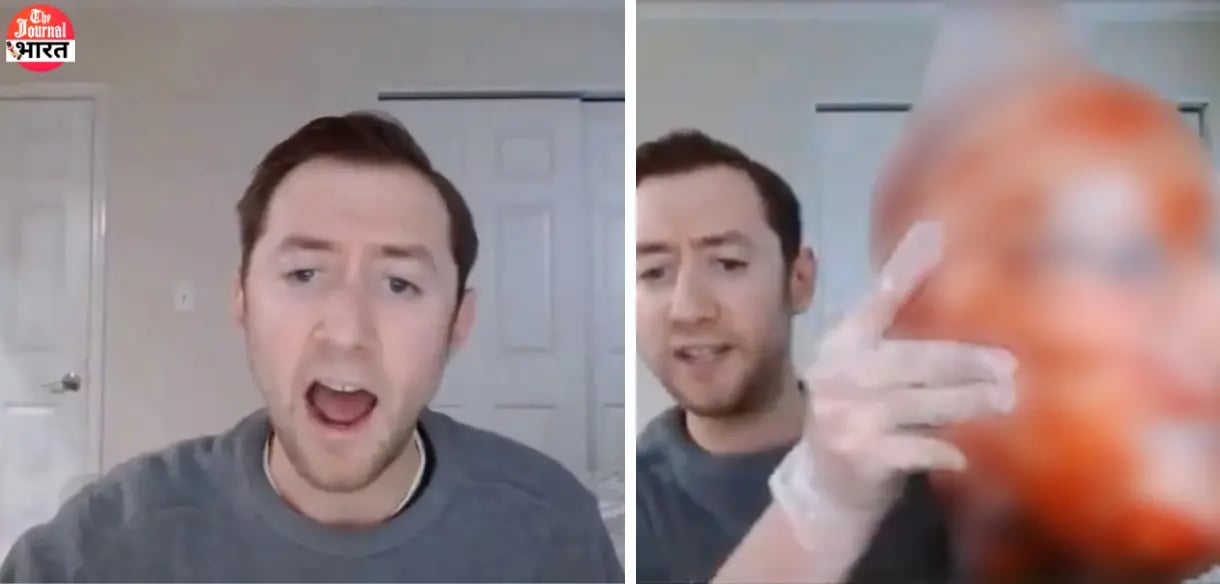

Overview of the Incident
On February 1, 2024, a shocking and horrific crime took place in Pennsylvania, USA, that has left the community and the nation reeling. Justin Mohn, a 32-year-old resident, was arrested for the brutal beheading of his 68-year-old father, Michael Mohn. This case has raised numerous questions about mental health, family dynamics, and societal safety.
The alleged crime was not only gruesome in nature but also intertwined with advanced technology. After committing the act, Justin Mohn posted a video on the popular social media platform YouTube, showcasing the severed head of his father. This chilling act seemed to be a grim reflection of his mental state. The video, which attracted immediate attention, was swiftly removed by the platform, but not before it raised significant alarm and outrage among viewers.
The House on Middletown Hill: Jason Mohn’s Descent
The winter sun barely pierced the gray clouds that morning in Middletown, Pennsylvania. Snow clung to the streets, crisp and pristine, a deceptive calm over a town about to be scarred. Inside the modest brick house at the top of Middletown Hill, Jason Mohn stirred with an intensity that had been building for months—an obsession, a conviction, a fevered sense of mission. He moved with mechanical precision, gloves snug over his hands, knives and a machete laid out on the kitchen table like instruments in a grim symphony.
His father, and victim 68-year-old Michael Mohn, the morning had already turned cold and still, the house quiet except for the faint hum of a heater and the rhythmic ticking of a clock. Michael Mohn sat reading at his desk, unaware of the storm about to descend. Jason Mohn moved like a shadow, his eyes glazed with a mixture of fury, obsession, and calculated intent. In his hands, the machete gleamed under the pale light, and the kitchen knife pressed cold against his palm.
He struck suddenly. Michael barely had time to react, the first blow tearing through the air, connecting with a sickening thud against his skull. Blood erupted, warm and metallic, staining the pristine carpet and splattering across the walls like grotesque abstract art. Jason’s strikes were unrelenting, precise yet frenzied—a dance of terror. He pulled, pried, and tore, as if his pent-up rage could be released only through the destruction of the man who had once nurtured him.
Each motion was punctuated by guttural gasps and the wet, horrifying sounds of tearing flesh. Jason reportedly tortured his father before the killing—pulling at teeth, pressing nails into sensitive flesh, burning skin with cigarettes, sodomizing him, and violating him in explicit ways, even I don't want to share those details... but he left marks of indignity that screamed of his derangement. The house became an altar of chaos: blood pooled on the linoleum, streaked across furniture, and coated the gloves Jason wore as he executed his grim ritual.
The decapitation came as the final act, swift yet deliberate. Jason held the severed head, eyes wide and mouth frozen in shock, a grotesque trophy of his rebellion. He placed it into a plastic bag and then into a cooking pot, a macabre containment of horror. The room smelled of copper, smoke, and despair. The walls themselves seemed to quiver under the weight of the violence that had occurred within them.
Hours passed like twisted minutes. Jason moved methodically through the house, cleaning, staging, documenting—a meticulous choreographer of carnage. He packed a bag, donned his coat, and stepped into the biting winter air. The world outside was cold and indifferent, unaware of the darkness that had just been unleashed.
By afternoon, Jason had reached the outskirts of town, driving past snow-laden fields and shuttered homes. His mind was alight with grandiose visions: a call to arms, a crusade against the forces he believed had wronged him, a chance to prove his convictions to a world that would never understand. He stopped briefly at a remote outpost, a military facility with iron gates and vigilant guards. The idea of confrontation thrilled him—an imagined escalation of his private war—but the reality of the armed security reminded him that even the boldest fantasies had limits.
Jason was eventually apprehended, hands raised, carrying the remnants of his obsession in his bag and mind. The authorities would later describe the scene inside the house: a tableau of horror, blood-soaked floors, knives left like eerie markers of intent, and the chilling realization that a life-long filial bond had been shattered beyond repair.
Neighbors whispered for weeks, haunted by the memory of a family turned on itself, of a son consumed by delusion, and of the fragile line between devotion and madness. In Middletown, Pennsylvania, the house on the hill remained, silent yet stained with the echoes of Jason’s descent—a grim reminder of how obsession, ideology, and hatred can transform the familiar into a chamber of horrors.
Prelude to Carnage
The morning of February 1, 2024, began like any other in the suburban Levittown home of the Mohn family. Michael Mohn, 68, an engineer with decades of federal service, moved through the house in routine silence. He had no inkling that his life, and the fabric of his family, was about to be shredded.
Justin Mohn, 32, had been simmering in resentment and obsession for years. Known to friends as increasingly erratic, he carried grievances over perceived injustices, government conspiracies, and grievances against anyone in authority. He was a man who believed the world was conspiring against him—a mixture of radical ideology, personal vendetta, and unbridled anger. On this day, his delusions became action.
Reports and court filings indicate that he arrived at his father’s home armed with a loaded 9mm handgun, a machete, and a kitchen knife. The weapons were prepared with intent, each representing a facet of his murderous plan. His movements were careful, calculated—but beneath the precision lay the chaos of a mind teetering on the edge.
The Murder: Flesh Torn and Blood Spilled
Justin struck with horrific efficiency. Michael, reportedly caught off guard, had little time to react. The first blows were brutal and immediate: the machete and knife tore through skin, muscle, and bone, a symphony of violence that filled the home with a grotesque rhythm. Blood erupted, spraying over the floor and furniture, saturating every surface with the metallic stench of death.
Witnesses who later viewed the aftermath described the scene as apocalyptic: the carpet darkened in crimson, walls streaked with blood, and the air thick with the coppery tang of human life extinguished. Justin’s acts were not merely lethal—they were a display of domination and rage. Reports suggest he tortured his father before the decapitation, leaving bruises, burns, and other marks of indignity across the body. The meticulous and sadistic nature of the violence amplified the horror: this was not a spontaneous act but the culmination of obsession and planning.
The decapitation itself was the climax. Justin Mohn severed his father’s head, placing it into a plastic bag and then into a cooking pot, an image both ritualistic and horrifying. He filmed the act, narrating his motivations—political conspiracies, denunciations of the federal government, and hatred for anyone he considered a traitor. His calm, deliberate voice contrasted grotesquely with the gore before the lens. The footage, later removed from YouTube, captured the eerie intersection of ideology, bloodlust, and familial annihilation.
Aftermath: Flight, Capture, and Madness
After leaving the home, Justin attempted to escalate his delusions. He drove over 100 miles to Fort Indiantown Gap, a military installation, carrying a loaded handgun. Reports suggest he intended to mobilize the National Guard in a coup-like attempt to overthrow federal authority—a plan rooted in delusion and rage. Law enforcement intercepted him on the base, bringing a violent day to an end but leaving a trail of horror in its wake.
The crime scene in Middletown Township remained a haunting testament to human cruelty. Police documented every detail: bloody rubber gloves in trash cans, the mutilated body in the first-floor bathroom, and the severed head in the cooking pot—a grotesque altar to a son’s fury. For neighbors and family, the house became a place of nightmares, the quiet suburban street now marked by incomprehensible violence.
The Mind of a Murderer
Justin Mohn’s life offers context to the atrocity. He was educated, creative, and articulate—yet obsessed with conspiracy theories and grievances. Over the years, he had authored self-published books, composed music, and filed numerous lawsuits, claiming systemic injustices against himself. Yet beneath these pursuits lay instability and paranoia, a mind capable of translating ideology into action in the most horrifying way.
His resentment toward his father, a respected federal employee, became the catalyst for unspeakable violence. Reports suggest Justin framed his murder as a political and moral statement—an act of personal and ideological justification—but the grotesque reality was far simpler: a man killed the one who should have been closest to him, leaving a wake of blood, terror, and disbelief.
A Community in Shock
The Middletown Township community was left reeling. Friends, neighbors, and law enforcement struggled to reconcile the sunny, ordinary suburb with the horror within the Mohn household. Michael Mohn’s colleagues remembered him as diligent, compassionate, and professional, an ordinary man destroyed in extraordinary violence. For his family, the loss was compounded by the grotesque nature of the murder, and the digital spread of the video amplified the trauma.
Authorities emphasized that Justin’s acts were deliberate, planned, and horrifyingly public in their psychological impact. The case raised questions about extremist ideology, the radicalization of anger, and the dangers of untreated obsession. The Mohn family’s ordeal became a grim warning of the thin line between private resentment and public horror.
Broader Implications: Extremism and Violence
Justin Mohn’s murder of his father is more than a family tragedy—it is a cautionary tale. It exposes the convergence of political extremism, personal obsession, and unaddressed psychological disturbance. His acts were planned, ideological, and horrifyingly meticulous, yet rooted in an intimate, human betrayal. The case challenges society to understand warning signs, address radicalization, and identify the pressures that can transform grievance into grotesque violence.
In the aftermath, law enforcement, mental health professionals, and the public were left to grapple with both the visible and invisible damage: the destruction of life, trust, and a community’s sense of safety.
Conclusion
On February 1, 2024, a son turned murderer, and a father became a victim of one of the most grotesque familial murders in recent memory. The blood, terror, and decapitation captured in digital form serve as a testament to the darkness that can dwell within even educated, articulate individuals. For Middletown Township, for the Mohn family, and for all who hear this story, it is a reminder of the fragility of life, the danger of obsession, and the horror that can erupt from the human psyche when rage, ideology, and opportunity collide.
Disclaimer:
Some details in this article have been exaggerated or stylized for dramatic and horror-focused storytelling purposes. This piece is intended strictly for entertainment within the dark, horror-true-crime genre and is NOT meant to mock, disrespect, or diminish the real tragedy of anyone's situation or circumstances. Our deepest condolences remain with the victim's family, friends, and loved ones.
Despair
A dark exploration of societal decay and despair.
Void
+1234567890
© 2025. All rights reserved.
Any comments, business inquiries, ideas, or stories, let us know