
The Unyielding Spirit of Ewald Lienen: A Gruesome Incident in Bundesliga History
Ewald Lienen’s career is often reduced to one shocking image: a 25-centimetre gash in his thigh during a 1981 Bundesliga match. But his story runs deeper. Raised in post-war West Germany with discipline and resilience, Lienen built a respected career before surviving one of football’s most gruesome tackles—and confronting the opposing coach while bleeding. He returned to play just 17 days later. Today, Lienen remains active in football leadership and commentary, known for his strong principles and critical voice. This article explores his upbringing, the infamous incident, and the legacy he continues to shape.
DISTURBING CASESFAITHNSFWTRENDINGNEWS
2/13/20264 min read
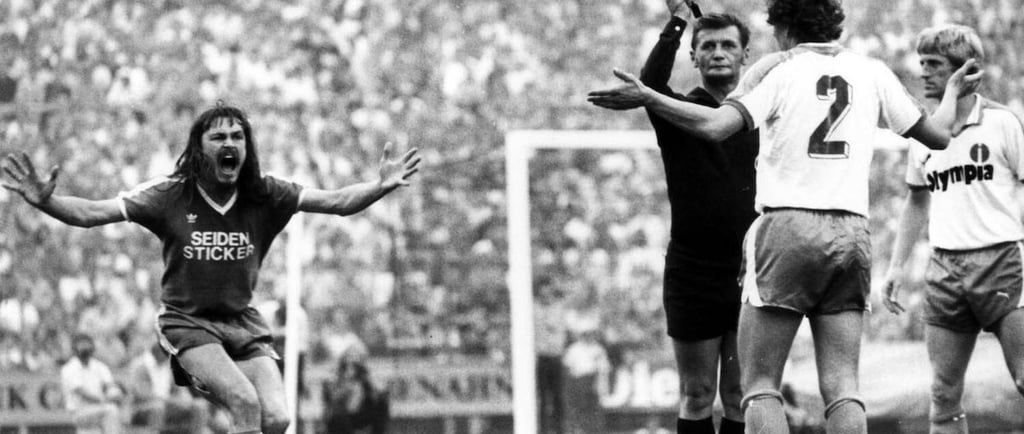
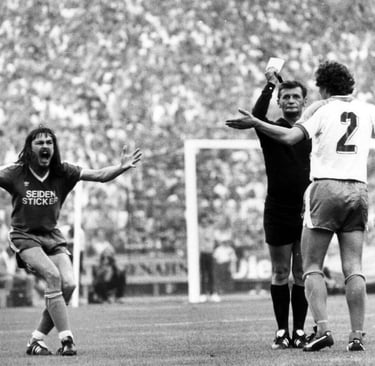
A Historic Match Between Werder Bremen and Arminia Bielefeld
Upbringing: Discipline Before Drama
Ewald Lienen was born in 1953 in Schloß Holte-Stukenbrock, West Germany—a quiet, working-class environment where structure and discipline were standard, not optional. He grew up in post-war Germany, in a culture that valued restraint, responsibility, and toughness. Football wasn’t glamor; it was outlet.
Lienen’s early development reflected that mindset. He was never the flashy prodigy chasing headlines. Instead, he built his game around intelligence, positioning, and work ethic. By the 1970s, he had carved out a reputation in the Bundesliga with clubs like Borussia Monchengladbach and later Werder Bremen.
He was thoughtful, politically aware, and not afraid to speak his mind—traits that would later define the most infamous moment of his career.
The Incident: Flesh, Fury, and Defiance
On August 14, 1981, during a Bundesliga clash between Werder Bremen and Arminia Bielefeld, Lienen chased a loose ball near the sideline. Bielefeld defender Norbert Siegmann lunged in with a reckless tackle.
The result was catastrophic: a 25-centimetre gash ripped open Lienen’s right thigh. The wound was so severe that muscle tissue was exposed. Stadiums had seen broken bones before. This was different. This was visceral.
What followed is what cemented the moment in football history.
Lienen stood up.
Instead of collapsing in agony, he marched—blood running down his leg—toward Bielefeld’s head coach, Otto Rehhagel. He believed the coach had encouraged aggressive, tactical fouling. Cameras captured him shouting in fury, pointing at the bench while medical staff tried to intervene.
The referee issued only a yellow card.
Lienen later required extensive stitches but remarkably avoided permanent damage. Even more astonishing: he returned to play just 17 days later.
The image of him confronting authority while visibly torn open became one of football’s most haunting visuals. It wasn’t just about brutality. It was about accountability. About refusing to quietly absorb harm.
The clip starts like any normal sideline challenge — sprint, tackle, contact. But what followed was a snap, crackle, pop.
Then Lienen looks down.
His thigh isn’t just cut; it’s split wide open. He tried to walk it off and play the game, but as soon as he putted weighit on the leg, his shit just fucking snapped, with his bone protruding out more, making him fall in agony, screaming as if he was getting raped by Tyrone from Chiraq with a girthy 10-inch cock getting stuffed in his tight asshole, filling it with his thick white sticky substance.... But I digress....
His skin was pulled back enough to expose pale muscle beneath, blood spewing everywhere, even getting on the medics. His blood immediately streams down his leg while flowing out of his wound like a water fountion almost rolling in pain with the muddy, filthy ground, staining his sock and dripping onto the grass—the crowd’s noise shifts from routine buzz to horrified confusion.
What makes it unforgettable isn’t just the injury — it’s his reaction.
Instead of collapsing, he stands upright, fury overriding shock. With his leg visibly torn open, he storms toward the opposing bench, shouting and pointing, blood still running. It’s raw, unsettling footage — not just because of the wound, but because he refuses to fall.
What He’s Doing Today
Unlike many athletes remembered for one dramatic image, Lienen built a long, respected post-playing career. After retiring, he transitioned into coaching, managing multiple German clubs and developing a reputation for strong principles and outspoken views.
Most notably, he became associated with FC St. Pauli, a club known for its progressive identity and activist culture. Lienen served in various leadership roles there, including technical director, helping shape sporting philosophy rather than chasing headlines.
Today, he remains involved in football administration and analysis, often appearing as a thoughtful commentator on the modern game. He has spoken critically about commercialization, player welfare, and tactical ethics—issues that resonate deeply considering his own infamous experience.
Time has softened the shock of the image, but not its meaning.
Ewald Lienen isn’t just remembered as the man whose thigh was split open on live television. He’s remembered as the man who stood up anyway—and then spent decades shaping football from the sidelines with the same stubborn integrity he showed in that moment.
Today, the images circulated the world showing Lienen navigating the pitch, refusing to collapse under the excruciating pain. His embodiment of resilience became symbolic of the era's football culture, where players were expected to endure physical trials beyond imagination. Just 17 days later, in a display of athletic marvel and sheer will, Ewald Lienen returned to the field. His comeback solidified his place in football folklore as the man who refused to be defeated, despite facing one of the most gruesome injuries in football history.
Lienen's story transcended the moment, becoming a narrative of bravery and an emblem of the unyielding spirit characteristic of many athletes. The physicality of 1980s football is encapsulated in this singular event, serving as a reminder of the price players would pay for the love of the game. Today, while the sport has evolved, Lienen’s remarkable story continues to inspire and resonate with both fans and players, showcasing the resilience inherent in professional sports.
Disclaimer:
Some details in this article have been exaggerated or stylized for dramatic and horror-focused purposes, which may include sarcasm and humor for storytelling purposes. This piece is intended strictly for entertainment within the dark, horror-true-crime genre and is NOT meant to mock, disrespect, or diminish the real tragedy of anyone's situation or circumstances. Our deepest condolences remain with the victim's family, friends, and loved ones.
Despair
A dark exploration of societal decay and despair.
Void
+1234567890
© 2025. All rights reserved.
Any comments, business inquiries, ideas, or stories, let us know