
The 2007 Virginia Tech Shooting: What Led to One of America’s Darkest Days
On April 16, 2007, Seung-Hui Cho carried out a mass shooting at Virginia Tech, killing 32 people and injuring 17 before taking his own life. This article examines Cho’s background, documented behavioral concerns, and the sequence of events that unfolded across two campus locations. It includes survivor witness accounts, expert theories about motive—including mental health struggles, social isolation, and system failures—and explores how the tragedy reshaped national campus safety policies. Nearly two decades later, the Virginia Tech shooting remains a defining case in discussions about prevention, warning signs, and emergency response in educational institutions.
DISTURBING CASESSINS OF THE FLESHOUR DREADFUL WORLDNSFW
5/11/20264 min read
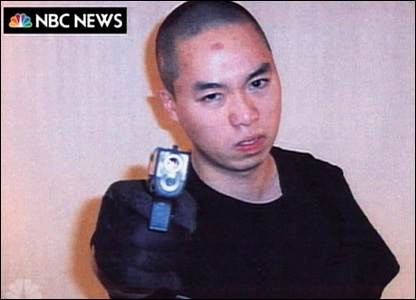
The Virginia Tech Shooting: A Tragedy That Redefined Campus Safety
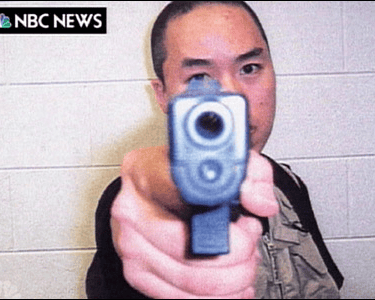
On April 16, 2007, Seung-Hui Cho carried out one of the deadliest mass shootings in U.S. history at Virginia Tech in Blacksburg, Virginia. By the end of the attack, 32 people were killed, and 17 others were injured before Cho died by suicide after police breached Norris Hall, where most of the shooting took place.
Cho was a senior majoring in English and creative writing. He had struggled socially throughout his time at the university, with reports from classmates describing him as extremely withdrawn, non-communicative, and at times unsettling in behavior. Some students avoided interacting with him altogether, and several professors noted difficulties in engaging him academically and personally.
The Morning Attack
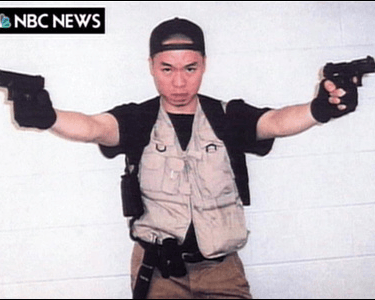
On April 16, 2007, Seung-Hui Cho launched a devastating attack on the Virginia Tech campus. After killing two students in West Ambler Johnston dormitory around 7:15 a.m., he left the scene briefly and then drove to Norris Hall, a classroom building. Armed with multiple firearms, Cho entered Norris Hall around 9:40 a.m. and began his shooting spree.
Cho systematically moved through multiple classrooms, firing at students and professors with brutal precision. The chaos and terror were overwhelming as victims tried to hide, escape, or barricade themselves. Some students were shot in their classrooms, while others tried to run for safety. The shooting lasted approximately ten minutes but left a trail of destruction and grief.
During the attack, Cho continued his rampage until he reached the end of his stamina and intent. After completing his shooting in Norris Hall, Cho retreated to a classroom corner. As law enforcement officers stormed the building to confront him, Cho took his own life with a gunshot to the head. His suicide marked the tragic end of a horrific day that resulted in 32 dead victims and many wounded.
The attack shocked the nation and led to widespread mourning and calls for changes in mental health care, gun laws, and campus safety. The day remains one of the most tragic in American history, highlighting the devastating impact of untreated mental illness and the importance of early intervention. Cho’s suicide was the final act of a day filled with unimaginable violence, leaving a lasting scar on the Virginia Tech community and the nation as a whole.
Background and Warning Signs
Cho had a documented history of mental health concerns. During his time at Virginia Tech, faculty raised alarms about his behavior and writing assignments, which included disturbing themes of violence and isolation. He was briefly evaluated by mental health professionals and ordered to receive outpatient treatment, though he was not hospitalized.
Students who encountered him often described him as non-verbal or extremely reluctant to engage socially. Some accounts suggested he was bullied or isolated, though there is no confirmed evidence that bullying alone played a direct role in the attack.
Why Did It Happen? Competing Theories
There is no single confirmed explanation for Cho’s actions, but several theories have been discussed by experts:
Severe untreated mental illness
Many psychologists point to signs of serious mental health deterioration, including social withdrawal, paranoia, and violent ideation in writing samples.Chronic isolation and alienation
Some believe long-term social rejection and inability to form relationships contributed to escalating resentment and detachment from reality.System failures in mental health response
Cho had previously come to the attention of campus authorities, but critics argue that intervention systems failed to properly assess or contain the risk.Personal grievance or perceived persecution
Some interpretations suggest Cho developed a distorted belief that he was wronged by those around him, though no clear manifesto or confirmed motive explains a targeted plan.The combination of factors theory
The most widely accepted view is that the attack resulted from multiple overlapping issues: mental illness, isolation, lack of effective intervention, and opportunity.
Aftermath: What the Case Changed
In the years following the tragedy at Virginia Tech, the event became a defining case study in how campuses understand risk, mental health, and emergency response. The scale of the attack forced universities across the United States to re-examine systems that had previously been considered adequate but were ultimately not built for fast-moving, large-scale violence.
One of the most significant changes came in campus communication protocols. Before 2007, many universities relied on delayed announcements or localized alerts. After the shooting, rapid notification systems—text alerts, email warnings, and emergency sirens—became standard. The goal was simple: reduce confusion and give students immediate information in moments where seconds could determine survival.
Mental health policies also shifted. The case highlighted the difficulty institutions face when students show warning signs that are serious but not clearly actionable. Cho had previously been referred for evaluation, but the limitations of privacy laws and institutional procedures meant that intervention options were restricted. In the aftermath, universities began expanding counseling services and reassessing how behavioral concerns are reported and escalated.
Beyond policy, the tragedy also reshaped cultural awareness. The image of a quiet, isolated student slipping through institutional cracks became a symbol in discussions about loneliness on campus. Educators and psychologists began focusing more on early intervention—not just identifying risk, but also addressing isolation before it deepens into crisis.
At the same time, the case raised difficult ethical questions that remain unresolved. How do institutions balance individual rights with collective safety? When does privacy protection become a barrier to prevention? And perhaps most importantly, how can communities recognize distress before it reaches a breaking point?
Today, the Virginia Tech shooting is not only remembered for its devastation but also for the way it reshaped national policy and perception. It remains a reference point in conversations about campus safety, mental health systems, and the limits of prevention in unpredictable human behavior.
The legacy of the event is not just what happened in 2007, but the systems that were rebuilt in its aftermath—and the ongoing challenge of ensuring warning signs are never overlooked again.
The tragedy remains one of the most studied mass casualty events in modern American history, not only because of its scale, but because of the urgent questions it raised about warning signs, intervention, and prevention.
Disclaimer:
Some details in this article may or may not have been exaggerated or stylized for dramatic and horror-focused purposes, which may include sarcasm and humor for storytelling purposes. This piece is intended strictly for entertainment within the dark, horror-true-crime genre and is NOT meant to mock, disrespect, or diminish the real tragedy of anyone's situation or circumstances. Our deepest condolences remain with the victim's family, friends, and loved ones. Sources would be listed below if applicable.


Despair
A dark exploration of societal decay and despair.
Void
+1234567890
© 2025. All rights reserved.
Any comments, business inquiries, ideas, or stories, let us know